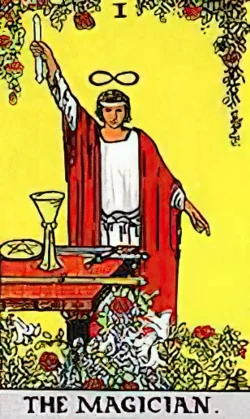
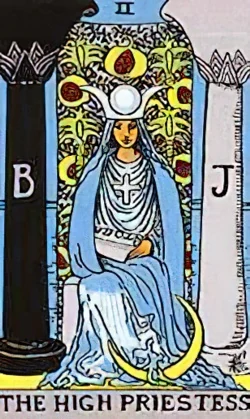
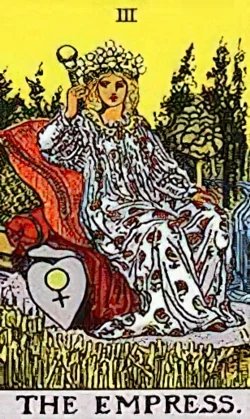
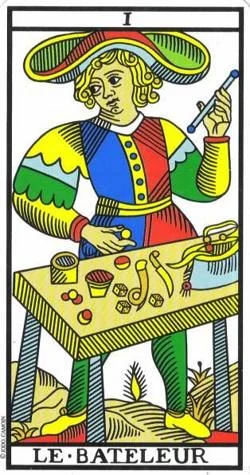
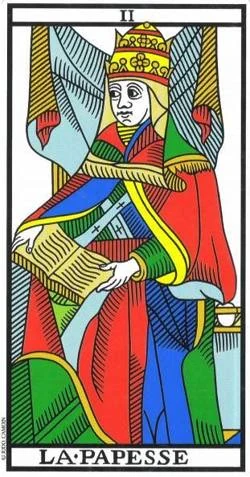
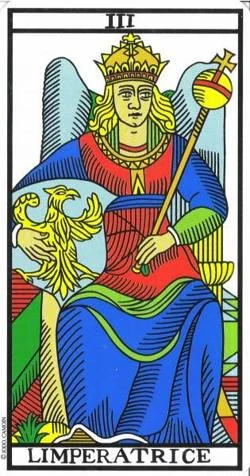
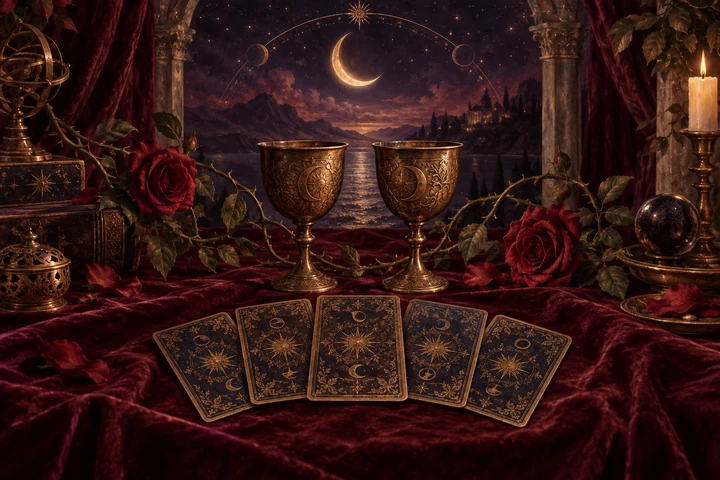
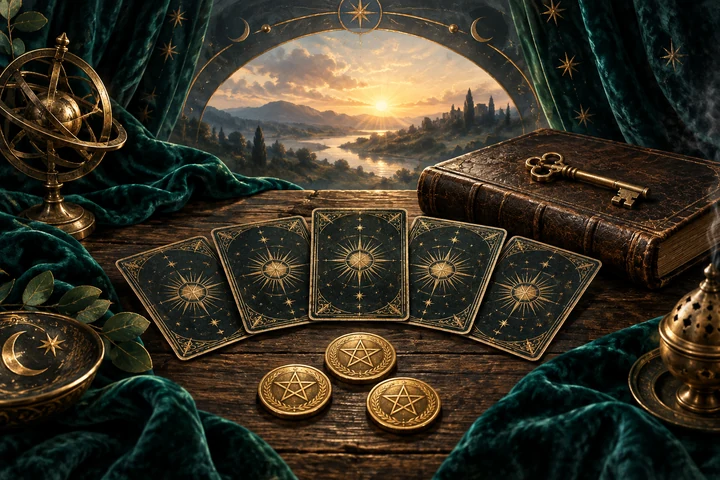
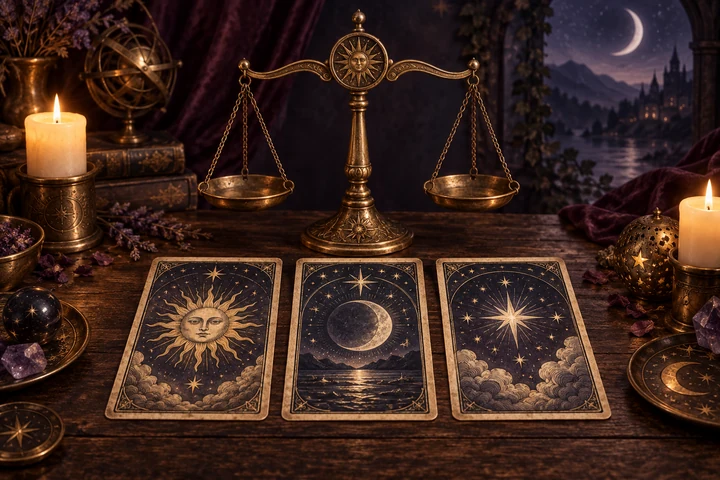
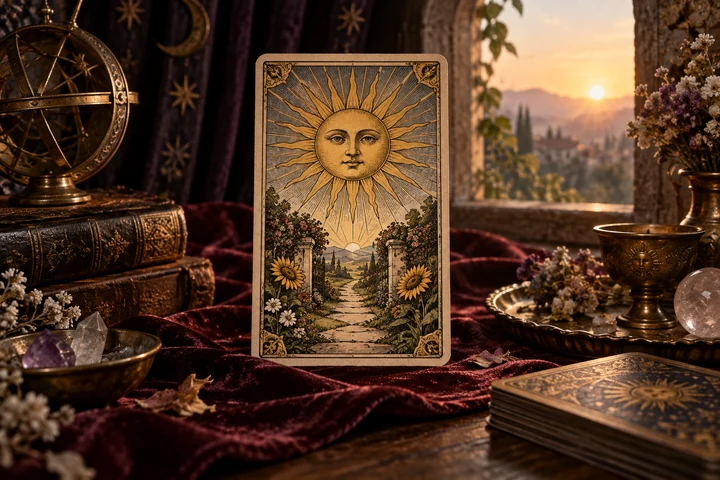
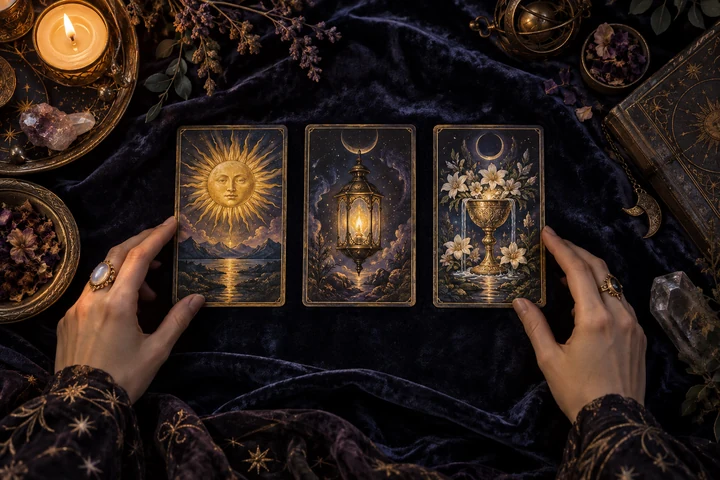
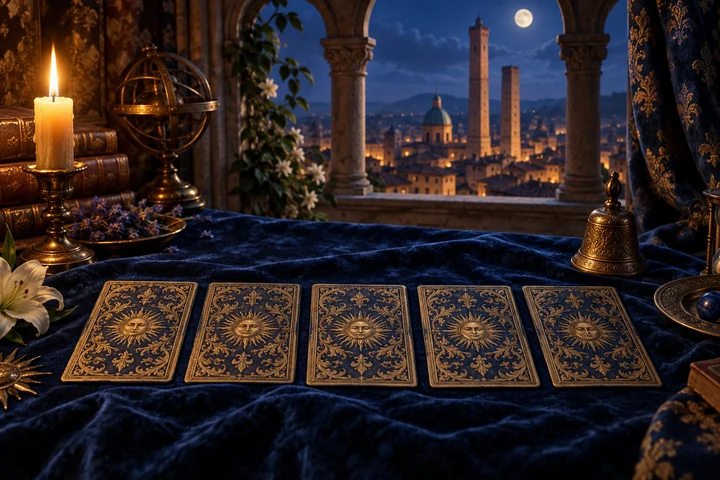
Tarot is a 78-card deck used in Europe since the 15th century, first as a card game and later as a symbolic tool for introspection and divination. On Tarotsi you will find free online versions of the most studied decks: Rider-Waite, Marseille, Lenormand, Spanish tarot, Gypsy tarot, Love and Work tarot, Poker tarot and Yes or No tarot. Each tool shuffles the cards randomly and pairs the reading with an AI-generated interpretation.
Where tarot comes from
The earliest cards we recognize today as tarot appeared in northern Italy around 1440, between Milan, Ferrara and Bologna, hand-painted for Renaissance courts. The famous Visconti-Sforza deck of around 1450 still serves as a reference for reconstructing the original iconography. In the following centuries the cards spread through France with the Marseille pattern, and in the 19th century Eliphas Lévi linked them to the Hebrew Kabbalah. In 1909 the British author Arthur Edward Waite, working with illustrator Pamela Colman Smith, published the Rider-Waite-Smith deck, the first in which even the minor cards were illustrated with complete narrative scenes.
How the deck is built
The classic deck has 78 cards: 22 major arcana, numbered 0 (the Fool) to XXI (the World) and dedicated to archetypal themes like the Lovers, Death, the Tower or the Sun; and 56 minor arcana divided into four suits (Wands, Cups, Swords, Pentacles in the Rider-Waite). Each suit runs from ace to ten and ends with four court cards: Page, Knight, Queen and King. The four suits are usually associated with the four elements (Fire, Water, Air, Earth) and four areas of life: action, feelings, thoughts and matter.
Decks available on Tarotsi
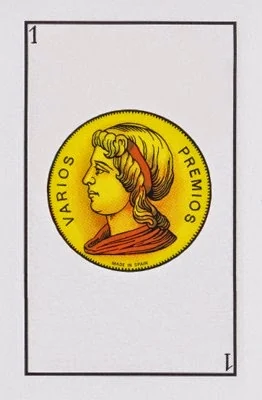
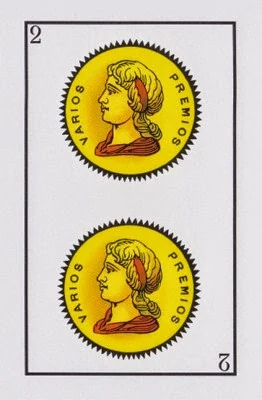
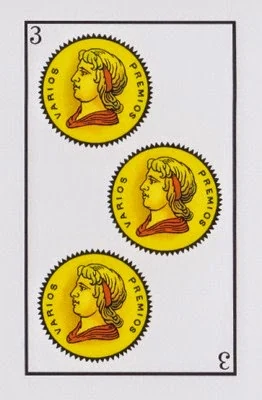
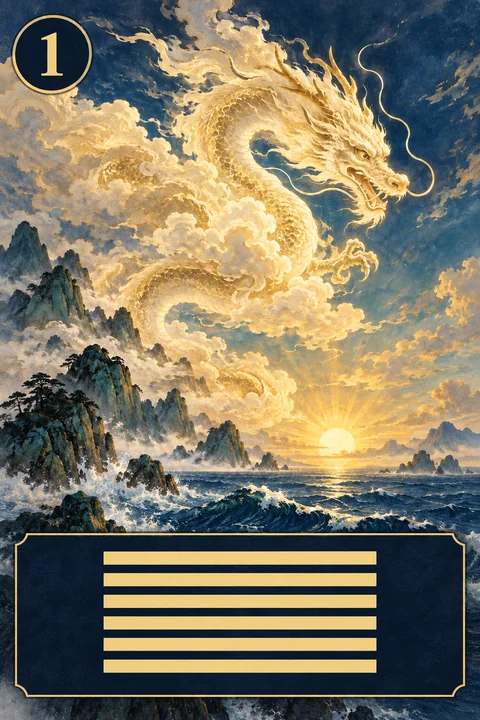
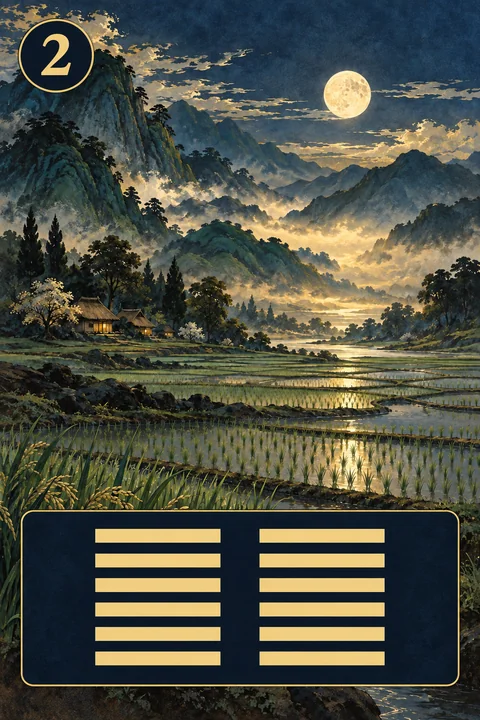
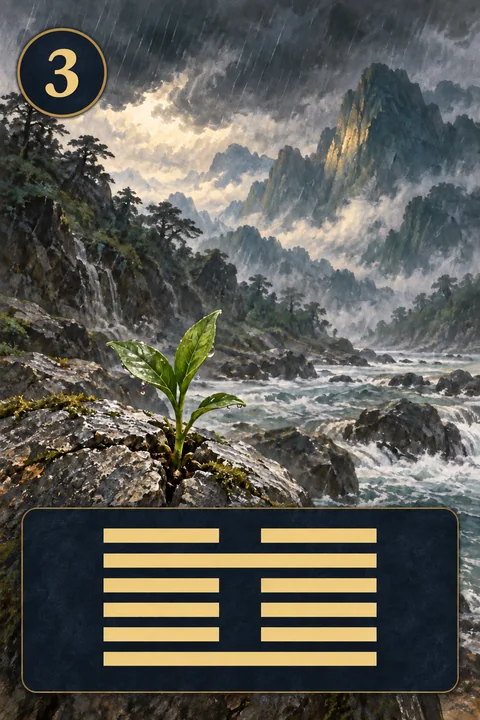
You can use the Rider-Waite for introspective readings with very narrative imagery, the Marseille tarot for a classic French look and a more symbolic style, the Lenormand deck of Marie Anne Lenormand (1772-1843) with its 36 concrete cards, the Spanish tarot derived from the baraja, the Gypsy or Kipper deck, the Love and Work tarots that focus the reading on a single theme, the Poker tarot based on the 52 French cards, the Yes or No tarot for closed questions and the I Ching combined with tarot for those who want to merge two divinatory traditions.
Spreads and reading styles
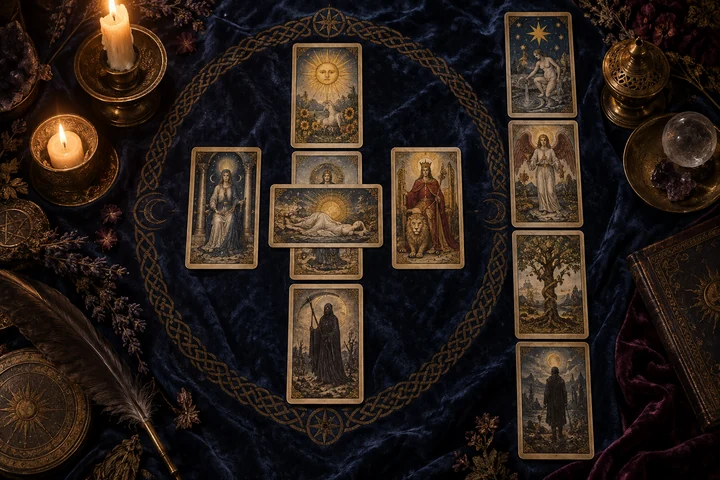
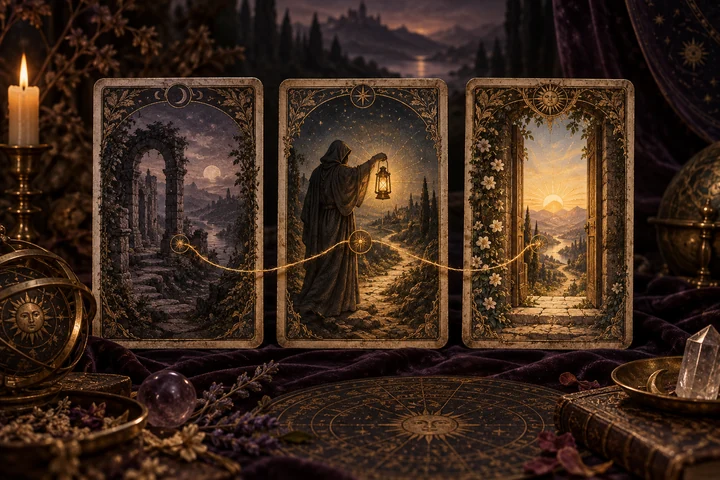
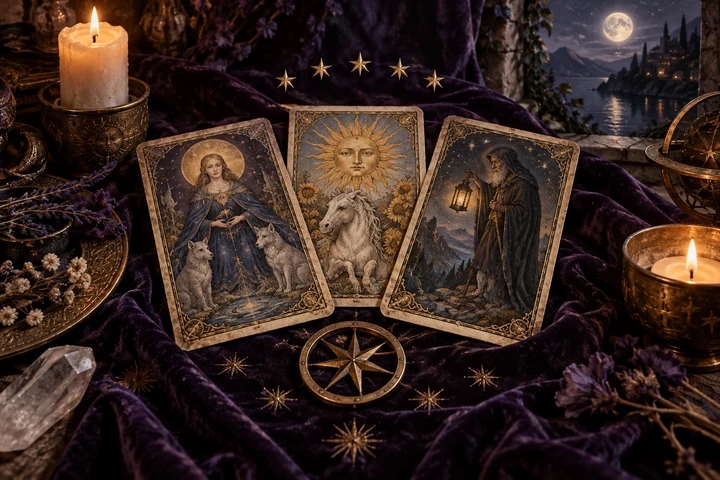
The most common spreads are the one-card pull for the message of the day, the three-card spread (past-present-future or situation-obstacle-advice), the ten-card Celtic Cross for deeper analysis and the horseshoe spread. On Tarotsi you can choose between brief readings and broader layouts, indicate the context of your question (love, work, money, family, growth or spirituality) and receive an interpretation that takes each card position into account.
How to ask a good question
A clear question helps you read the cards better. Avoid vague queries like "what will happen?" and prefer specific ones: "what do I need to understand about my current work situation?" or "which attitude would help me close this conflict?". The pre-made reading sections give you practical examples for the main life areas. Remember that a reading does not replace informed decisions: it helps you look at the situation from a different angle.
Limits and disclaimer
Tarot readings are not certain predictions. The interpretations generated by artificial intelligence are symbolic and vary with each new draw; they are not a substitute for medical, psychological, legal, tax or financial advice. Tarotsi is intended for adults; for details on the limits of use please read the disclaimer page.
FAQ
Is tarot reliable?
Tarot is a symbolic tool for reflection, not a verifiable predictive system. It can help you explore a topic from a new perspective, but it does not guarantee certain predictions and does not replace personal judgment or professional advice.
How many cards are in a tarot deck?
The standard deck has 78 cards: 22 major arcana and 56 minor arcana split into four suits. Other decks (Lenormand with 36 cards, poker with 52, Kipper with 36) have their own structure.
Do I need experience to use online tarot?
No. The Tarotsi tools shuffle and display the cards randomly and the automatic interpretation gives you a starting point. To go deeper you can check the glossary, where you will find entries on the individual arcana, spreads and technical terms.
Will the answer be the same every time?
No. Each draw produces a different combination of cards and the text interpretation is regenerated. Receiving different answers to the same question is normal: the cards have no memory of the previous reading.
Do I have to pay or sign up?
No. All tarot tools on Tarotsi are free and accessible without registration.