The reading and its nuances
In Marseille, orientation adds nuance to an arcana card. Compare its upright or reversed image with the others: a contrast can suggest tension, difficulty expressing a quality or a need for another perspective.
Entdecke, was die Karten dir offenbaren wollen
0/3 Karten ausgewählt
Interpretiere die Karten…
Explore the spread step by step, from selection to a reading that brings its symbols together.
In Marseille, orientation adds nuance to an arcana card. Compare its upright or reversed image with the others: a contrast can suggest tension, difficulty expressing a quality or a need for another perspective.
This version of Marseille Tarot uses the 22 major arcana. Each card may appear upright or reversed; the same card cannot appear twice in the draw. Enter a clear question and choose three of the facedown cards. Wait for the animation to finish and the reading to appear. Positions follow the order in which you choose the cards; they are not assigned past, present and future. The reading offers a symbolic interpretation to reflect on your question.
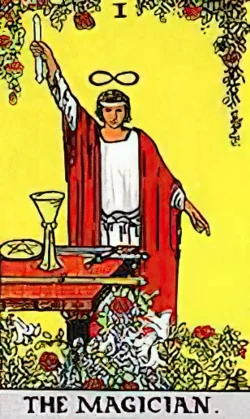
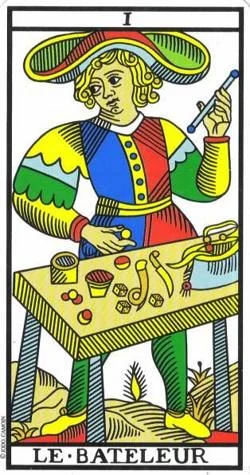
Imagine The Magician upright, The Hanged Man reversed and Temperance upright. The first card's initiative meets a pause that may feel like resistance in the second. The third opens a way to combine movement and patience. Reversal enriches that question rather than automatically making the whole reading negative.
Reversal changes the reading in this variant, but does not itself equal an unfavourable outcome. Check the indicated orientation alongside your question and the other cards.
Choose one subject and a clear question. If the tool has no question field, keep it as a personal reference. Connect the symbol with a specific situation and note both what fits and what remains open.
When Retry this reading appears, you can continue with the same question and selection. A new consultation allows another draw, and AI may write a different interpretation. The pauses and usage limits remain in place.
Separate the symbol from what you know through experience. Use its contrast to ask a question or explore a possibility; examples illustrate a reading without certifying facts or fixing the future.
Use Save reading once the result is complete. In My readings you can reopen it, add notes and download it as text. Data stays in this browser; use the library backup if you want to keep it when changing devices.