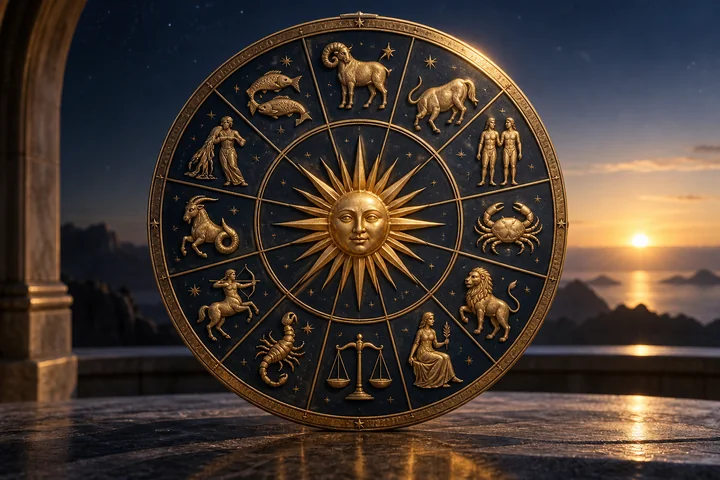
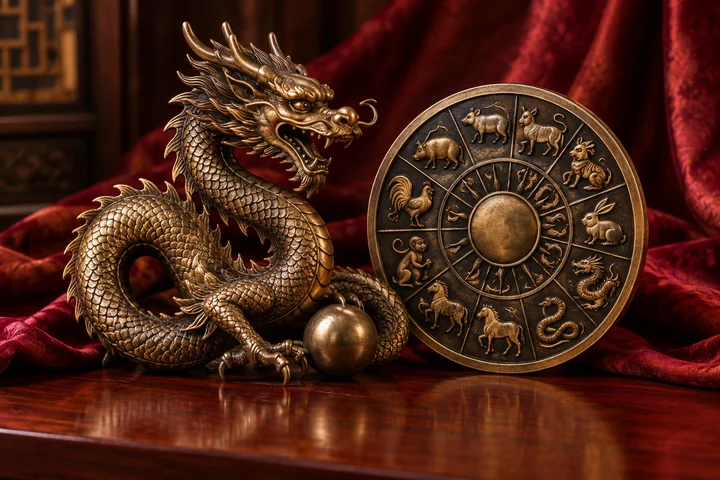
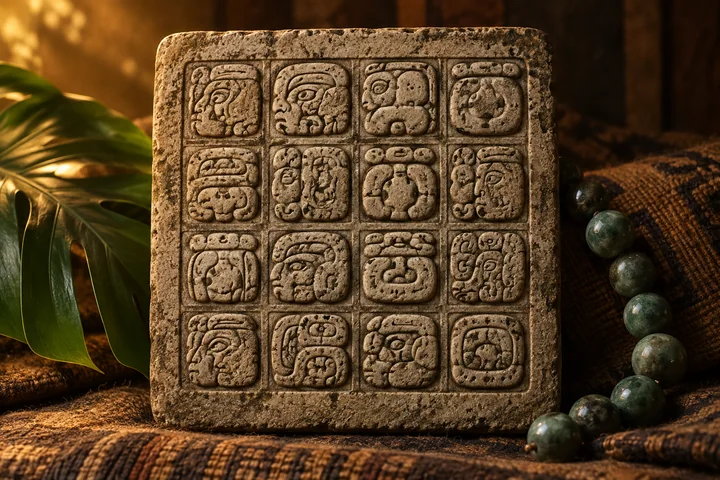
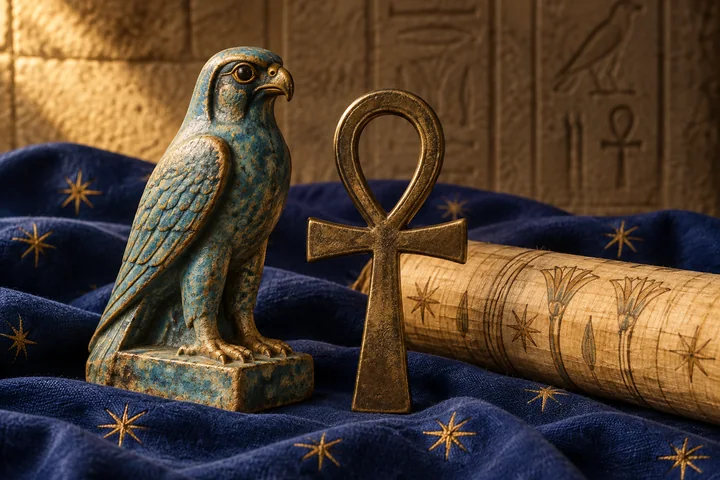
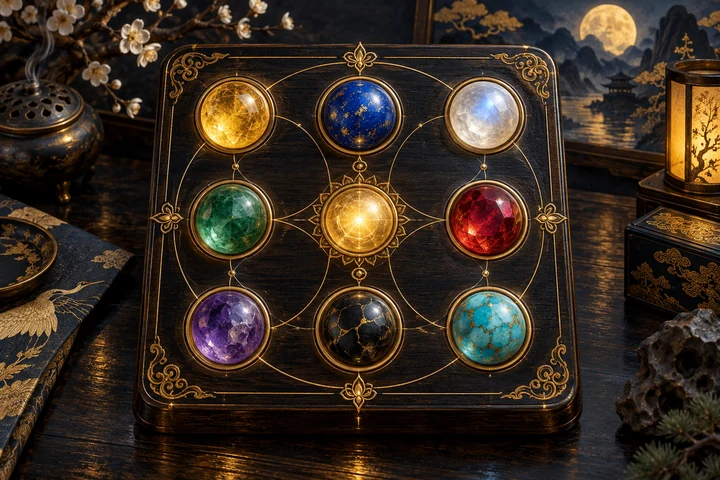
In this section we gather horoscopes, the synthetic readings of a period (day, month, year) based on a zodiac system. On Tarotsi you will find the Western daily horoscope and the ethnic horoscopes: Chinese (animals of the lunar zodiac), Mayan (Tzolkin calendar), Egyptian (sothic calendar), Japanese (kyusei kigaku) and Tibetan (lunisolar calendar).
Western daily horoscope
The daily horoscope starts from the sun sign (the one given by your date of birth) and offers a brief reading of the day s symbolic climate. It is the most widespread form of popular astrology. On Tarotsi you receive it in a modern form, organized by theme (love, work, energy, intuition). For a more articulated reading also consider ascendant, moon sign and natal chart.
Chinese horoscope
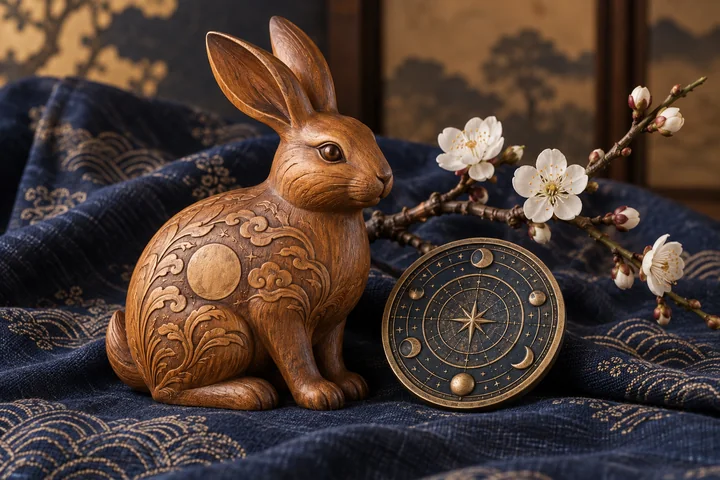
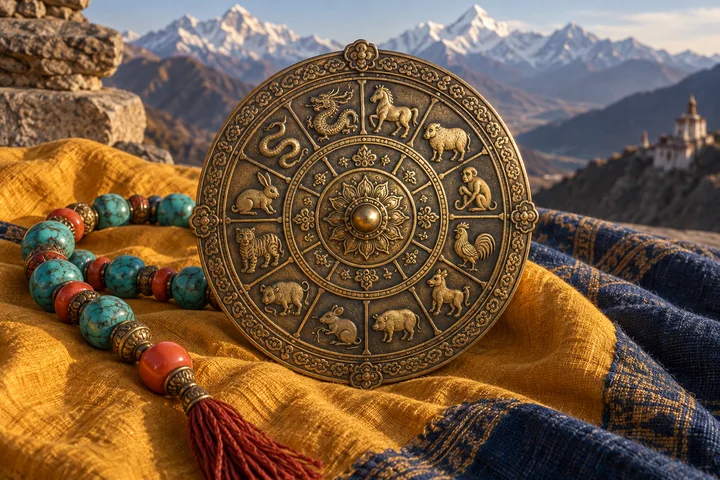
The Chinese horoscope is based on a twelve-year cycle of animals (Rat, Ox, Tiger, Rabbit, Dragon, Snake, Horse, Goat, Monkey, Rooster, Dog, Pig) and five elements (Wood, Fire, Earth, Metal, Water) rotating every ten years. The Chinese New Year falls between late January and mid-February, so people born in January or early February still belong to the previous year s sign. Our app calculates the correct sign.
Mayan horoscope
The Mayan system described here is based on the Tzolkin calendar, a sacred 260-day cycle built by combining 20 signs (Imix, Ik, Akbal, Kan, Chicchan, Cimi, Manik, Lamat, Muluc, Oc, Chuen, Eb, Ben, Ix, Men, Cib, Caban, Etznab, Cauac, Ahau) and 13 numbers. Each day has a unique combination that repeats after 260 days and describes the symbolic energies of birth.
Egyptian horoscope
The Egyptian horoscope used on Tarotsi refers to the popular tradition linked to the ancient Egyptian calendar and to the twelve deities that modern esoteric practice associates with the months: Nile, Amun, Mut, Geb, Osiris, Isis, Thoth, Horus, Anubis, Seth, Bastet, Sekhmet. The system is not uniformly documented in ancient Egyptian sources: read as a contemporary reinterpretation of historical symbols, useful to reflect on archetypes.
Japanese and Tibetan horoscopes
The Japanese horoscope refers to kyusei kigaku ("nine stars"), a Taoist-rooted system assigning each year a personal star (1 White, 2 Black, 3 Green, 4 Light Green, 5 Yellow, 6 White, 7 Red, 8 White, 9 Purple) with an associated element. The Tibetan horoscope combines the Chinese zodiac with the five elements in the Vajrayana Buddhist tradition and includes a personal sign based on the lunar year.
How to choose
For a daily advice use the Western daily horoscope or the Chinese horoscope. For a more anthropological "birth" reading try Mayan, Egyptian, Japanese or Tibetan: more stable profiles describing basic qualities. All horoscopes are symbolic readings and do not replace professional advice. For details see the disclaimer.
FAQ
Are ethnic horoscopes reliable?
They are informative reconstructions inspired by real traditions. They have cultural and symbolic value, not scientific. Useful mainly to explore archetypes different from the Western zodiac.
Do I need the time of birth?
No for Chinese, Mayan, Egyptian, Japanese or Tibetan: the date is enough. For the Western daily horoscope the sun sign is enough. For the full natal chart you also need time and place (astrology section).
Does my sign change if I was born in January?
Only for the Chinese horoscope: the Chinese New Year falls between late January and mid-February, so January or early-February births still belong to the previous year s sign. The Western system follows classic solar dates.
Does today s horoscope change with a refresh?
The daily horoscope is updated once a day. Any "variants" are rephrasings of the same reading: the basic indication remains the same.