Approach these figures with curiosity.
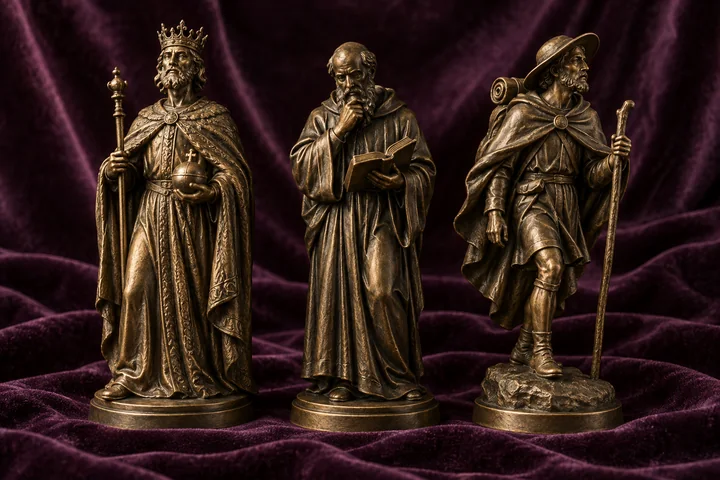
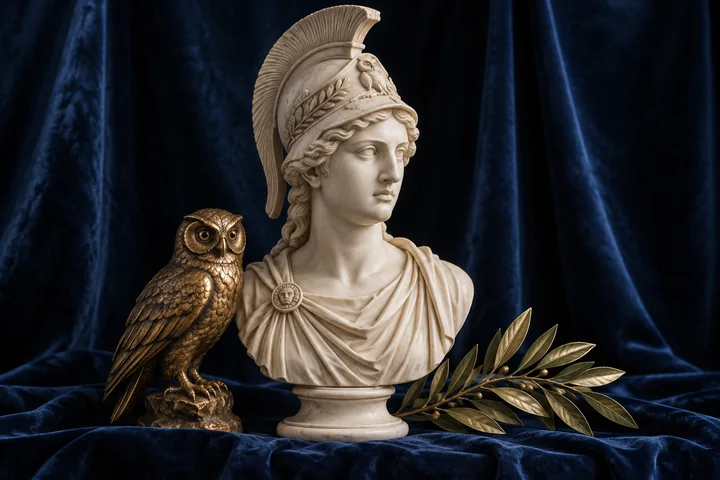
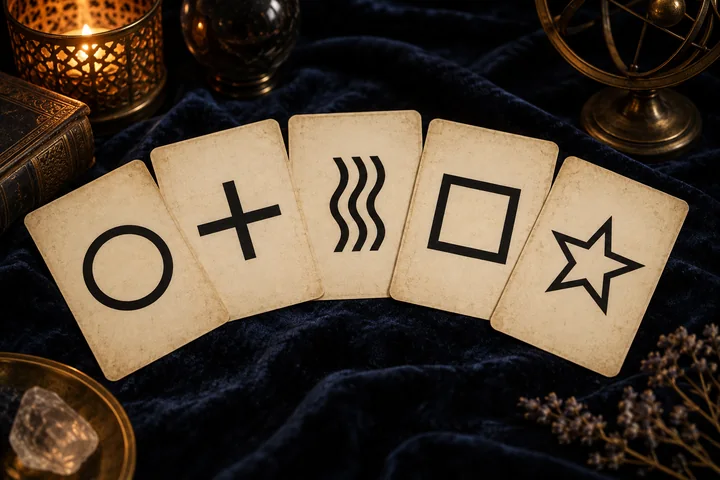
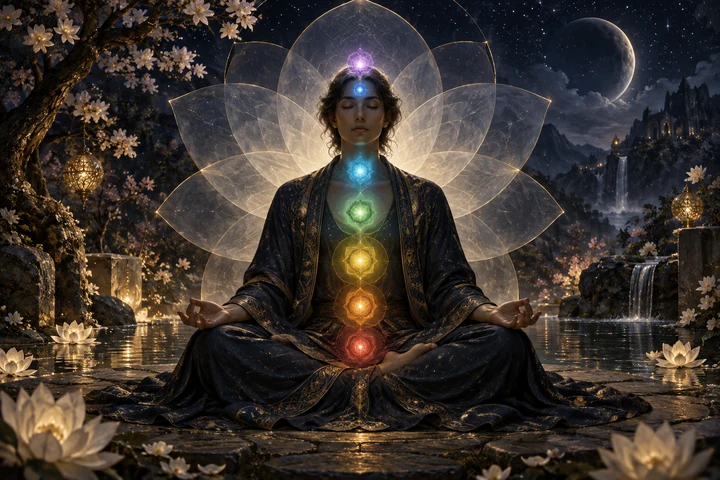
The images in this test
Eras, places, abilities and dreamlike scenes provide material for an evocative narrative. The test invites you to follow a story connecting those choices and notice which images awaken your curiosity. Answer the 8 questions by choosing one option on each screen, according to what fits you now. At the end you can read the result or start again.
How your reading is built
Your eight choices are sent to the AI to compose a possible life in two or three paragraphs: character, era, place, occupation or role, development and ending. The application may reuse an earlier narrative for the same answers and language. There is no affinity score table or fixed list of characters here. The story appears after the application’s waiting period. If an error occurs, use the retry option when offered. Length and details depend on the generation; the narrative combines your choices with storytelling elements created by the AI.
A way to explore the result
After reading, choose an image, a character's decision and a detail that does not fit you. Note what they suggest today. You can enjoy the story and disagree with it without treating it as a recovered memory or part of your biography.
FAQ
Does this prove that I lived that story?
No. It is an imaginative narrative generated from your choices, not historical research or memory recovery. Names, events and places developed by the AI belong to the story and may contain inaccuracies.
Why might it mention how a life ended?
One of the questions and the narrative include that theme. It belongs to the symbolic story; it does not predict your death or explain your fears as facts from another life. You can stop the test or leave a reading you do not enjoy.
How should I choose my answers?
Choose one option on each of the eight screens according to what attracts you now. There are no correct answers or final score. You do not need to force a choice to obtain a particular character.
Why might I receive the same story?
The application may reuse an earlier reading for the same eight answers and language. Repeating does not guarantee a new story. Changing choices or language may produce a different narrative.
Does this work like the other affinity tests?
It does not use the fixed element, archetype, animal or deity profiles. The AI receives your eight choices and builds a story, so characters and details are not restricted to a predetermined list of results.
What if the story does not appear?
Wait until the attempt finishes. If an error message offers a retry option, use it to repeat the request. The story needs a response from the AI service; a failed request has not produced a reading to save.
Will a reading I have saved change?
My readings keeps the text of the result you saved. A later consultation or content revision does not regenerate that saved text. You can add notes to compare what it suggests at another time.
How do I save the reading and my notes?
When the result appears, press its save button. Open My readings through the magnifying glass or star to recover the full text, add and save notes, and download a TXT file. Data stays in this browser and does not automatically appear on another device.